
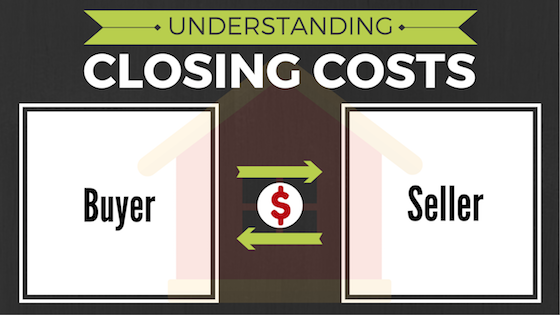
What are closing costs in San Diego?
Closing costs are the third-party and transaction fees due at escrow beyond the purchase price—title insurance, escrow, lender charges, recording, transfer taxes, HOA docs, and prorations. In San Diego County, buyer closing costs commonly land in a roughly 2%–3% range of price (loan-dependent), while sellers often see larger net deductions once commissions and concessions are included.
Almost every line is negotiable in the offer. Custom and who-pays norms vary by price point, property type, and market conditions—so read the estimated closing statement early.
San Diego County closings typically run through a licensed escrow company with a title insurer. Your Loan Estimate (if financing) and the Closing Disclosure list lender fees; escrow’s estimated settlement statement lists title, escrow, recording, and prorations.
Common buyer closing costs
- Lender origination, underwriting, and credit-report fees (when financed)
- Appraisal and sometimes inspection-related lender requirements
- Owner’s and lender’s title insurance premiums (who pays is negotiable)
- Escrow fee share
- Recording fees and any city/county transfer taxes assigned in the contract
- Prepaid interest, insurance, and tax impounds for the loan
Common seller closing costs
- Brokerage compensation as agreed in the listing and offer
- Owner’s title policy (often seller-paid by San Diego custom, but negotiable)
- Escrow fee share
- Transfer taxes where applicable
- HOA document and demand fees for common-interest developments
- Payoff of existing loans, judgments, and agreed repair credits
How to control costs before you sign
Request a net sheet before listing or a buyer estimate before offering. Compare lender Loan Estimates side by side. Use contingency periods wisely—see home-buying contingencies and earnest money deposits. Pair this with Buy a Home in San Diego or Sell Your Home in San Diego.
Jed Bratt and Jamile Storck build offer terms that reflect real San Diego County cost allocation—not generic national averages.
Title and escrow in San Diego County practice
Most San Diego County resale transactions use an independent escrow holder and a title insurer that issues both an owner’s policy and, when financed, a lender’s policy. Who pays for the owner’s policy is negotiable; many deals still follow a seller-paid custom, but credits, splits, and buyer-paid structures all appear depending on leverage. Read the estimated settlement statement as soon as escrow opens so you can challenge unexpected junk fees while there is still time.
Transfer taxes and city variations
Documentary transfer taxes and any city real-property transfer taxes depend on location. Unincorporated areas, the City of San Diego, and other incorporated cities do not always look identical on the fee schedule. Your escrow officer should quote the exact amount for the APN. Never rely on a national blog’s flat percentage.
HOA and condo resale costs
Common-interest developments add demand fees, document packages, and sometimes rush charges. Budgets, reserve studies, and meeting minutes are worth reading carefully—underfunded reserves can become a future special assessment. Factor those fees into the seller’s net sheet and the buyer’s cash-to-close from day one.
Negotiating credits without breaking the loan
Seller credits toward buyer closing costs can be powerful, but lenders cap how much credit a buyer can receive based on loan type and down payment. An oversized credit may be trimmed at underwriting. Align the credit language with your lender before you celebrate a “seller pays everything” headline.
Cash buyers still pay title, escrow, inspection, and recording items—closing costs are not only a mortgage phenomenon. The difference is the absence of lender fees, appraisal requirements, and prepaid impounds.
Sample buyer cash-to-close walkthrough
Imagine a $1,100,000 San Diego County purchase with 20% down. Down payment is $220,000. On top of that, budget lender fees, title/escrow shares, prepaid interest, insurance, and tax impounds. Even if seller credits offset some fees, cash-to-close is rarely “down payment only.” Ask your lender for a Closing Disclosure draft as soon as numbers stabilize, and compare it to the first Loan Estimate line by line.
Sellers should run a net sheet at listing and again when offers arrive. Commission structures, credits, payoff amounts, and repair concessions move the net more than buyers realize. A higher offer with heavy credits can net less than a cleaner mid offer.
Questions to ask escrow in week one
- What is the estimated owner’s title premium and who is paying it under this contract?
- What city or county transfer taxes apply to this APN?
- When are HOA demand fees due, and can they be rushed?
- What prepaid items will the lender require at closing?
- How will prorations of taxes and HOA dues be calculated?
Closing cost questions
Can sellers pay buyer closing costs?
Yes, within lender guidelines and offer terms. Seller credits are common when they help the buyer’s cash-to-close without breaking underwriting rules.
Are closing costs the same as prepaid taxes and insurance?
Related but distinct. Closing costs include service fees; prepaid items fund your tax and insurance accounts going forward.
Where should I start if I am relocating to San Diego?
Use our relocate to San Diego guide and Realtor FAQ, then ask Jed or Jamile for a customized net sheet.
Jed Bratt & Jamile Storck
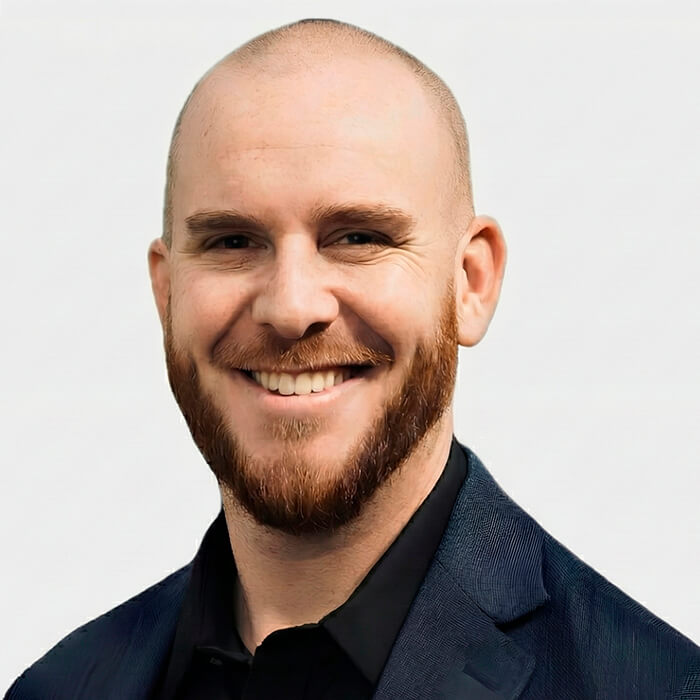
Jed Bratt is an 8-year Navy veteran, California Real Estate Broker, Realtor®, and active investor. He bought his first investment property at 19 and began helping fellow service members use their VA loans in 2010 while still on active duty. After his honorable discharge in 2014, he transitioned to full-time real estate, serving military and civilian clients from Imperial Beach to Carlsbad. Known as @TheRealEstateJedi on YouTube, he shares neighborhood tours, market insights, and practical guidance for anyone considering a move to San Diego.
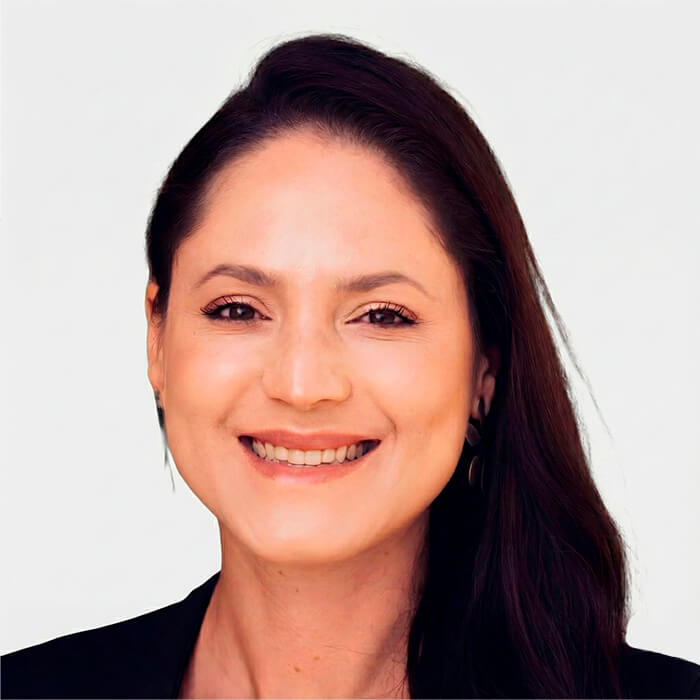
Jamile Storck is a San Diego Realtor since 2012 and a local homeowner since 2009. Originally from Vitória, Brazil, with a background in international trade and construction, she has personally bought, renovated, and sold homes across California and other states through different market cycles and loan programs. Having lived all over San Diego and even relocated to Austin while eight months pregnant, she understands the stresses, setbacks, and negotiations involved—and after guiding hundreds of clients through the process, she brings that same resourcefulness and commitment to every transaction, helping clients move forward with confidence.